
Best Century Rides in the Houston, TX Area
One of the main milestones of road cycling is the 100 mile or “century” ride.
In the Houston Tx area, there are quite a few decent options for 100+ mile rides–both solo and in groups.
- By far the biggest century ride near Houston every year is the annual MS150 ride–from Houston to Austin. Depending on where you start in Houston the first day (Houston to La Grange) can easily be a fun century ride–whether you are doing the full ride to Austin or not. Many groups will stage cars in the Fayetteville / La Grange area the night before, ride the +/- 100 miles from Houston to Fayetteville / La Grange–then drive back to Houston. (There are also a few groups that continue on to Austin the same day and do 160 to 200 miles in one day. This ride is informally referred to as H2A (Houston to Austin).)
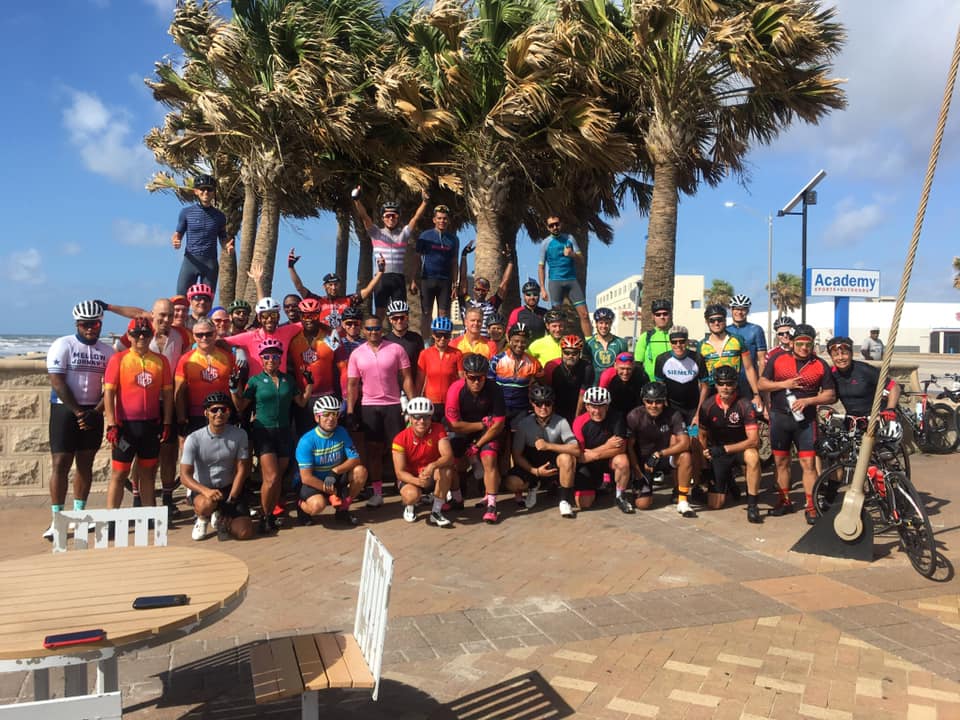
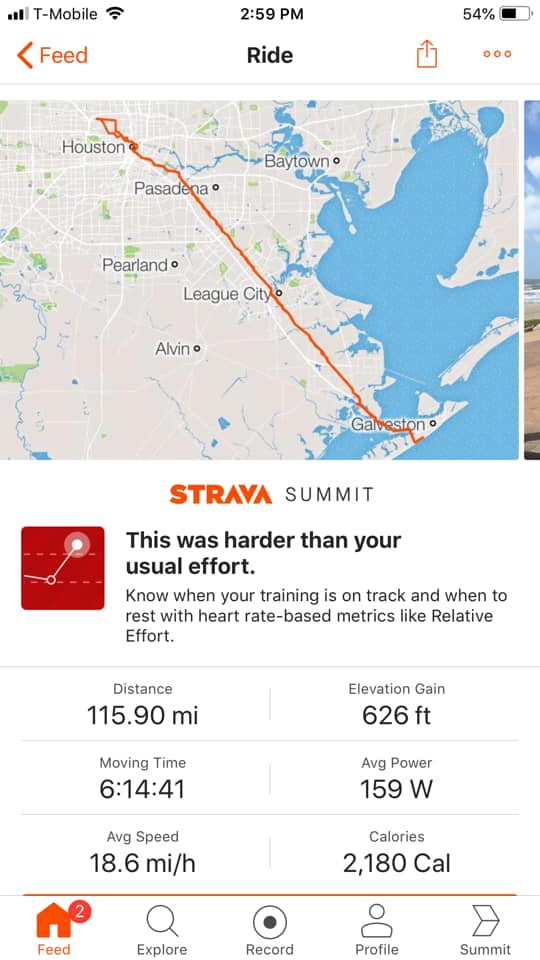
- Another regular century ride in the Houston area is the H2G series (Houston to Galveston). A large and every changing / growing group do this ride about once every 3 months. This ride is free but is somewhat supported. Plus, since it starts and ends downtown, you’re never more than +/- 50 miles from home–so it’s usually easy to get picked up by friends or family in the event of a major mechanical, fatique, weather–or a crash. (We recommend you avoid the summer rides unless you want to get heat stroke. The spring / fall / winter rides are much more enjoyable.)https://www.mapmyride.com/routes/view/752306853
- The Katy Flatlands Century is one fo the few, organized, supported century rides in the Houston area. It is an annual event that–unfortunately and inexplicably–takes place in the heat of the summer. If you do the KFC–start EARLY–even before the official start time–to avoid the hottest part of the day. @ 20 mph avg you’re looking at 5 to 6 hrs (w/ rest / bathroom stops)… so even a 6 am start puts you back @ the finish around mid day.
- Combining TWO or more group rides–or a long group ride with a shorter solo ride–is another great way to ride a century in the Houston area. Most regular / organized group rides of any real distance usually start fairly early on weekend mornings–to avoid the heat of the day. However, “Noon Bike” is a ride in central Houston that starts at noon on Sundays and has a 30+ mile route. Karbach Brewery sponsors a cycling team–particularly for the MS150–and has regular group training rides on Sunday mornings–not far from the start of Noon Bike. Sometimes I’ll “ride in” to the Karbach ride (about 10 miles one way), do their 40 to 60 mile group ride (that starts around 9), then ride over to Noon Bike (5 miles)–grabbing a snack on the way–ride Noon Bike–then ride back home (5 miles). That’s around 100 miles total… and if I’m a little short, I’ll just take the long way home or do a lap around Memorial Park on the way back to add enough miles to break 100.
Remember: No matter when or where you do a century ride, hydration and fuel are probably the two most important things to remember. On longer rides like this it is always better to have TOO MUCH water or food with you on the bike–than too little. Most century rides will have at least ONE stop along the way… usually more like three or four. So just make sure to fill your bottles at every stop and have a few PowerBars or PB&J sammi’s in your pockets to munch on along the way.